Sintesi rapida
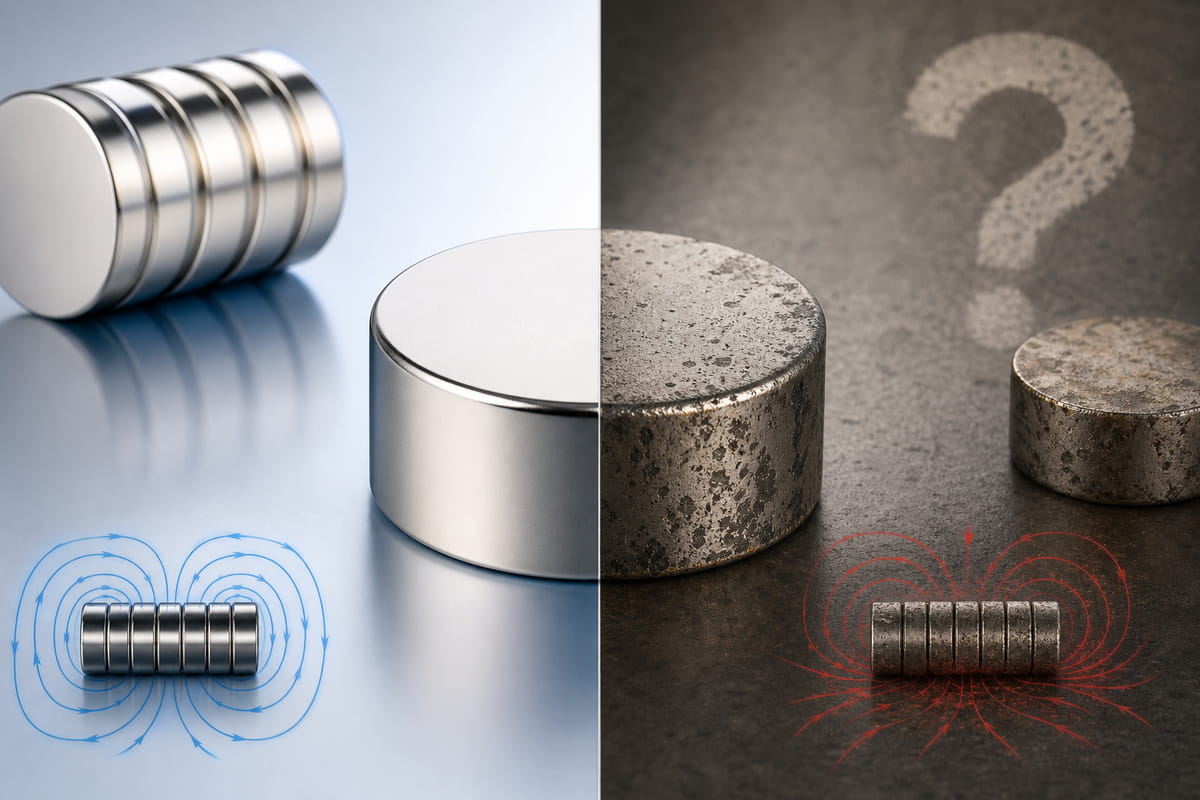
I magneti al neodimio aderiscono solo ai metalli ferromagnetici – principalmente ferro, acciaio, nichel e cobalto. Essi non limitatevi all’alluminio, al rame, all’ottone, all’acciaio inossidabile austenitico (come il 304 o il 316) o a qualsiasi materiale non metallico (legno, plastica, vetro, ecc.).
Ti è mai capitato di prendere in mano una piccola calamita argentata e di rimanere sorpreso dalla sua forza?
Quello è un magnete al neodimio. Questi oggetti sono potente.
Ma in realtà la maggior parte delle persone non lo capisce A cosa si attaccano i magneti al neodimio? – e ciò che non fanno.
Quindi oggi, in qualità di professionista produttore di magneti al neodimio su misura, te lo spiegherò passo dopo passo.
A cosa si attaccano i magneti al neodimio?
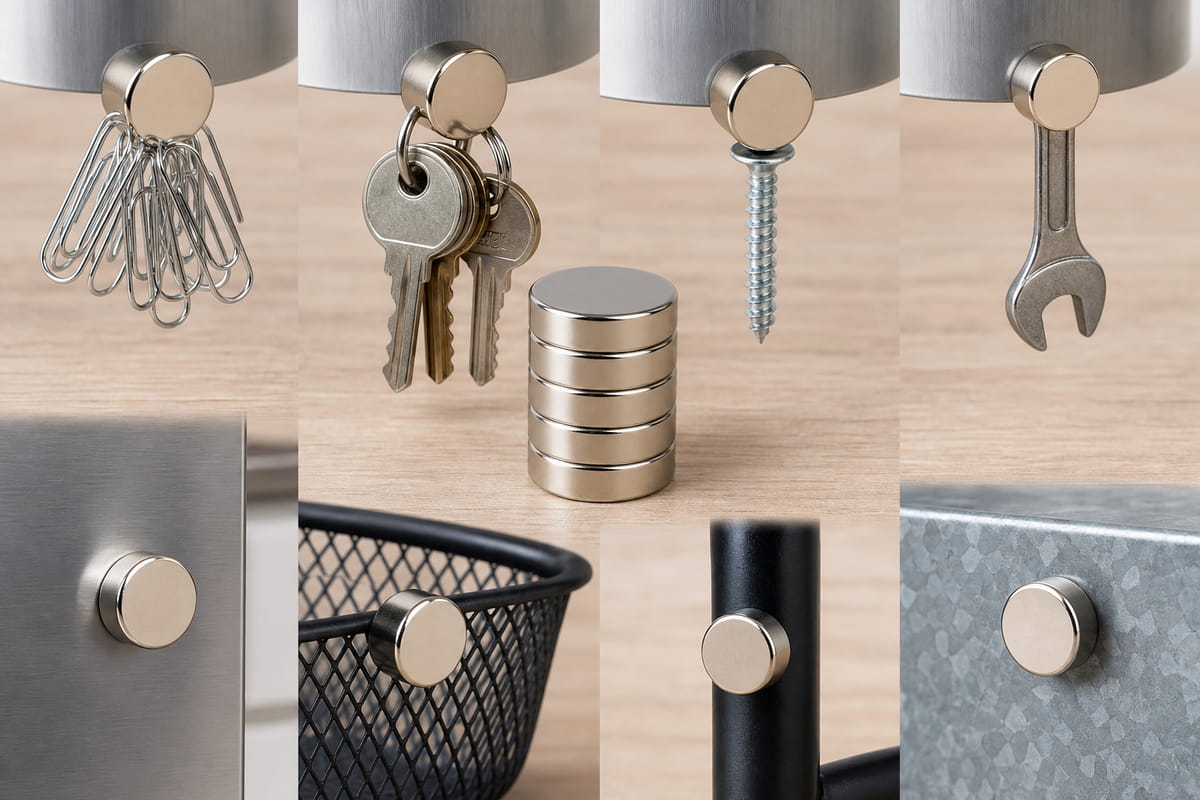
I magneti al neodimio aderiscono esclusivamente a metalli ferromagnetici – materiali che possono essere magnetizzati e che sono fortemente attratti dai magneti (contengono elementi come ferro, nichel o cobalto).
1. Ferro (e tutto ciò che lo contiene)
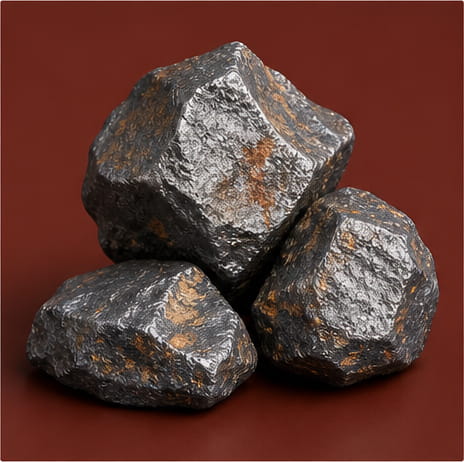
Il ferro è il materiale ferromagnetico più diffuso sul pianeta.
E dato che i magneti al neodimio sono così potenti, si attaccano a:
- Ferro puro
- Ghisa
- Ferro battuto
La maggior parte dei metalli che si incontrano nella vita di tutti i giorni non sono ferro puro, ma leghe.
Ed è proprio qui che i magneti al neodimio danno il meglio di sé.
2. Acciaio (Il peso massimo)
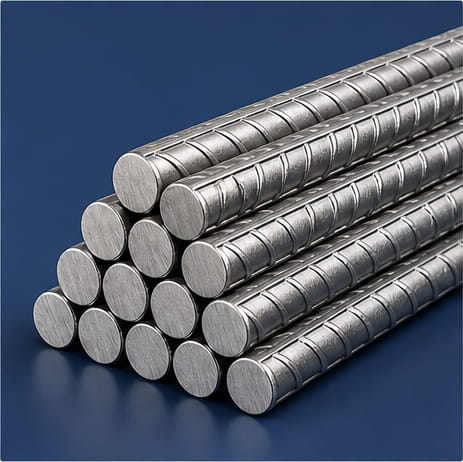
L'acciaio è composto principalmente da ferro.
Il che significa che I magneti al neodimio ADORANO l'acciaio.
Infatti, l'acciaio è uno dei materiali più resistenti a cui possono aderire.
Ciò comprende:
- Acciaio dolce (utilizzato nel settore automobilistico, nell'edilizia e negli utensili)
- Acciaio al carbonio
- Acciaio per utensili
Consiglio da esperto: se stai cercando una superficie su cui testare il tuo magnete al neodimio, prendi un oggetto di acciaio normale. Io, ad esempio, nel mio laboratorio uso una cassettiera da attrezzi in acciaio: è perfetta per tenere in ordine ogni tipo di accessorio magnetico.
3. Nichel (solo in forma pura)
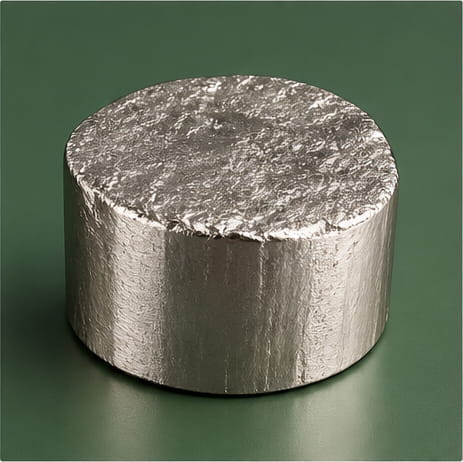
Il nichel puro è ferromagnetico.
Ma la maggior parte degli oggetti in “nichel” che si vedono in giro (come le monete da cinque centesimi) non sono in nichel puro. Si tratta infatti di leghe miscelate con metalli non magnetici come il rame.
Allora, un magnete al neodimio si attacca a una moneta da un nichelino?
Probabilmente no.
Tuttavia, aderirà al nichel elementare puro e ad alcune leghe ad alto contenuto di nichel.
4. Cobalto
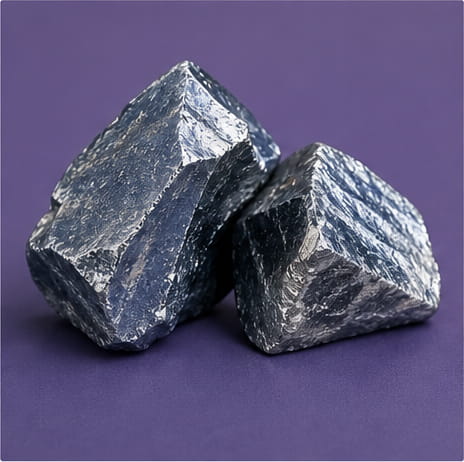
Il cobalto è un altro metallo ferromagnetico.
Sebbene sia meno comune negli oggetti di uso quotidiano, i magneti al neodimio aderiscono perfettamente al cobalto puro e ad alcune leghe di cobalto.
5. Altri magneti alle terre rare
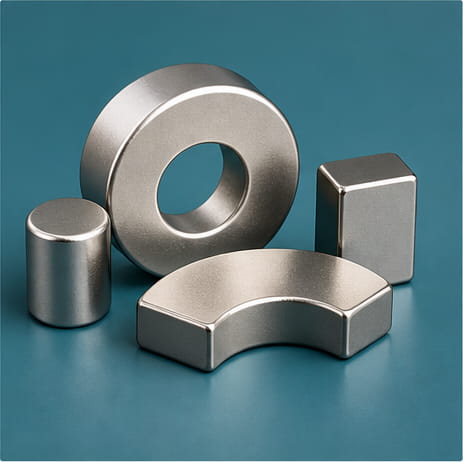
Questo fatto sorprende molte persone.
I magneti al neodimio aderire con forza rispetto ad altri magneti in terre rare – compresi altri magneti al neodimio e magneti al samario-cobalto.
Fai solo attenzione.
Ne ho avuti due Magneti N52 si scontrano a tre pollici di distanza e si scheggiano entrambi i bordi.
Non è divertente.
La confusione sull’acciaio inossidabile (la maggior parte delle persone sbaglia su questo punto)
Non tutto l'acciaio inossidabile è magnetico.
Lo so, sembra strano.
Ma ecco come stanno le cose:
Acciaio inossidabile ferritico (magnetico)
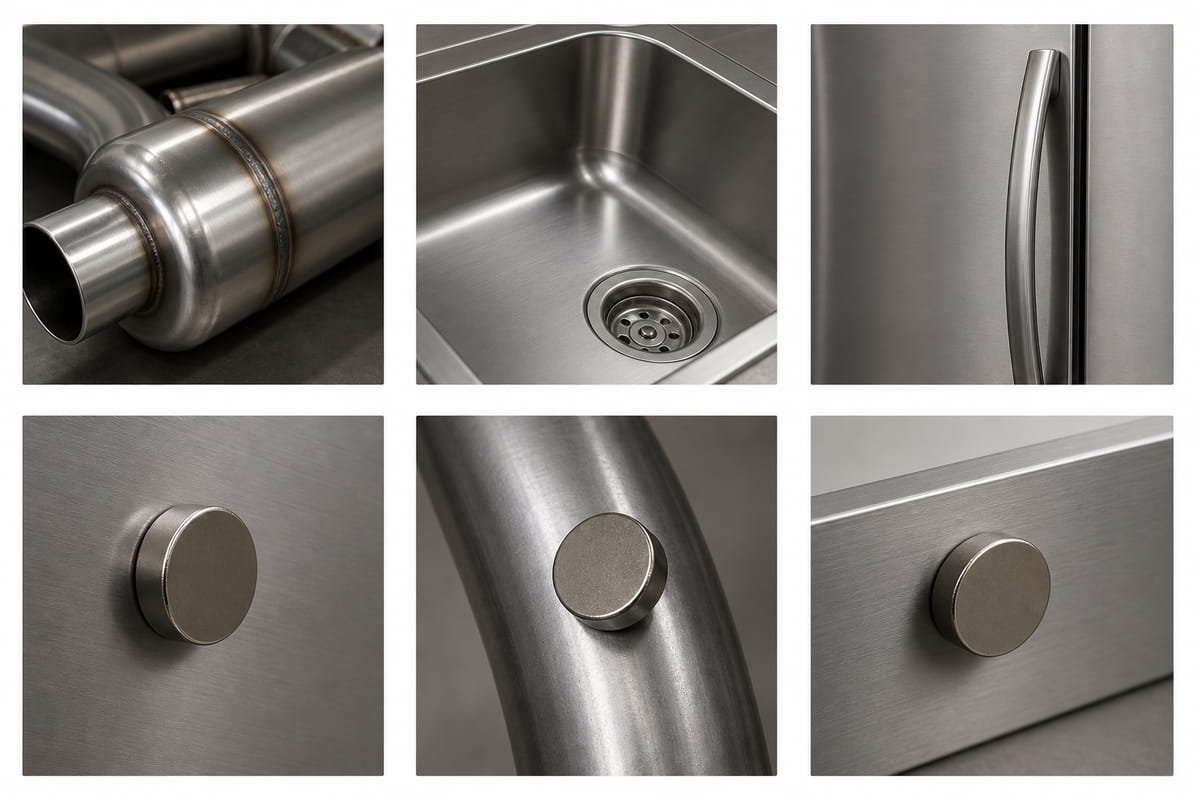
I tipi come il 409, il 430, il 434 e il 439 contengono più ferro e sono privi di una sostanza chiamata “austenite”.”
Risultato?
Il tuo magnete al neodimio si attaccherà perfettamente a questi oggetti.
Acciaio inossidabile austenitico (NON magnetico)

È proprio qui che la gente si sente frustrata.
Voti come 304 e 316 (il materiale di cui sono probabilmente fatti i tuoi elettrodomestici da cucina) contengono livelli elevati di nichel e presentano una struttura cristallina diversa.
Magneti al neodimio NON si attaccherà all'acciaio inossidabile austenitico.
Quindi, se hai mai provato ad attaccare una calamita al tuo frigorifero di lusso e l’hai vista cadere…
Ora sai perché.
A cosa NON aderiscono i magneti al neodimio
Ecco un elenco di materiali in cui sono presenti magneti al neodimio non funzionerà:
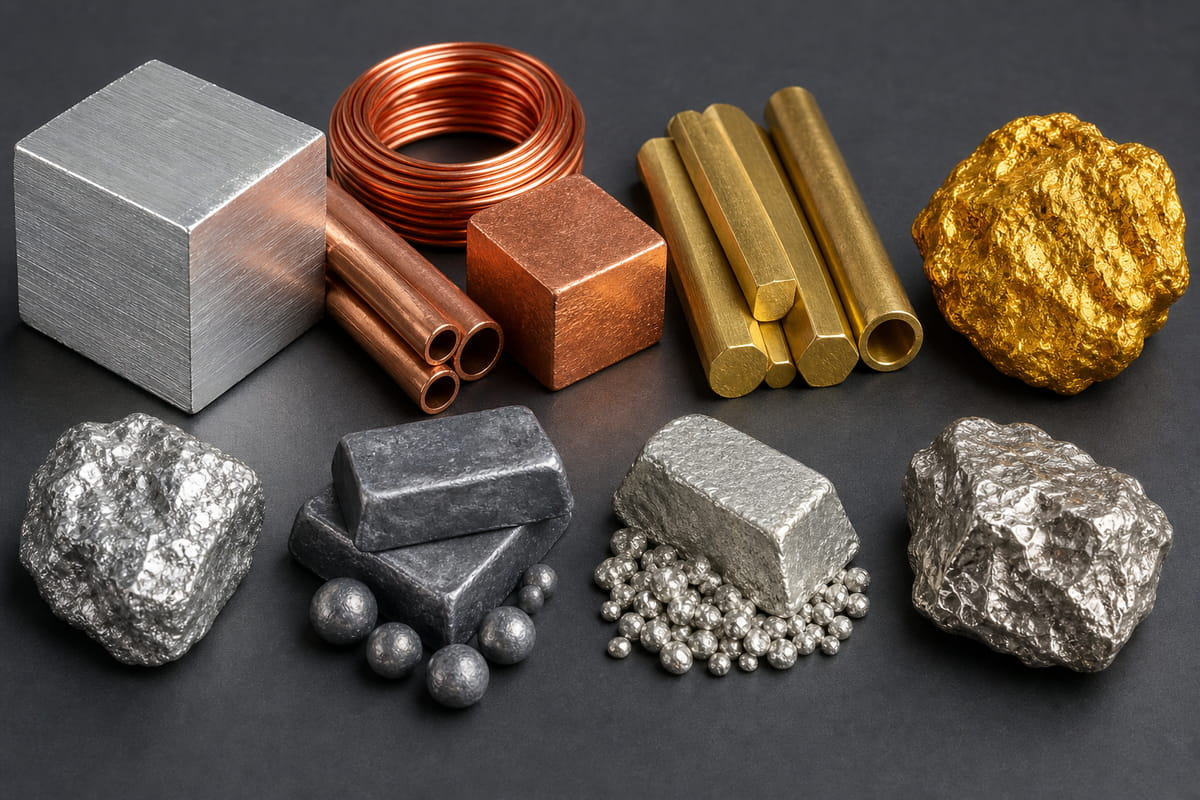
Metalli non ferrosi comuni
- Alluminio (questo inganna la gente: sembra acciaio, ma non è magnetico)
- Rame
- Ottone
- Oro
- Argento
- Piombo
- Stagno
- Platino

Oggetti non metallici di uso quotidiano
- Vetro
- Legno
- Plastica
- Gomma
- Ceramica
- Carta
- Tessuto
In conclusione?
Se non contiene ferro, nichel o cobalto in quantità significative…
Il tuo magnete al neodimio non si attacca.
Un esempio concreto (tratto dalla mia esperienza personale)
Qualche anno fa volevo appendere una lavagna bianca piuttosto pesante nel mio ufficio.
Non volevo fare dei fori nel muro.
Così ho preso un paio di magneti al neodimio e ho provato ad attaccare la lavagna direttamente alla parete.
È caduto. Ovviamente.
La parete era in cartongesso, quindi per nulla magnetica.
Ma ecco il trucco:
Ho trovato le viti in acciaio dietro il cartongesso (quelle che tengono insieme i montanti).
E i magneti aderivano a quelle viti come se fossero incollati.
In realtà si tratta di un trucchetto da veri esperti:
È possibile utilizzare magneti al neodimio per individuare i montanti metallici nascosti dietro le pareti facendo sì che aderiscano alle viti in acciaio fissate nel legno o nel cartongesso.
Funziona alla perfezione.
E i metalli “paramagnetici”?
Potresti sentire usare spesso questo termine.
I metalli paramagnetici (come l'alluminio, il rame e l'oro) hanno un molto debole attrazione verso i magneti.
Ma ecco la verità:
Non te ne accorgerai quasi.
In effetti, ai fini pratici, si possono considerare non magnetici.
L'attrazione è talmente debole che la gravità la neutralizzerà all'istante.
Quindi no, il tuo magnete al neodimio non attirerà né un penny di rame né una lattina di alluminio.
Tabella di riferimento rapido
| Materiale | Un magnete al neodimio si attacca? |
|---|---|
| Ferro | ✅ SÌ |
| Acciaio (la maggior parte dei tipi) | ✅ SÌ |
| Acciaio inossidabile ferritico | ✅ SÌ |
| Acciaio inossidabile austenitico (304/316) | ❌ NO |
| Nichel (puro) | ✅ SÌ |
| Cobalto | ✅ SÌ |
| Alluminio | ❌ NO |
| Rame | ❌ NO |
| Ottone | ❌ NO |
| Legno/Plastica/Vetro | ❌ NO |
Consigli da esperti sull'uso dei magneti al neodimio
Dopo averci passato anni a sperimentare con queste cose, ecco cosa ho imparato:
1. Controlla prima l'acciaio inossidabile – Se non sei sicuro che un oggetto sia magnetico, provalo con una piccola calamita prima di dare per scontato che funzioni.
2. Utilizzare una barriera – Quando li fai scorrere, metti un pezzo di nastro adesivo o di carta tra i magneti. In questo modo eviterai che si uniscano con troppa forza.
3. Conservali in un luogo sicuro – Conserva i magneti al neodimio in una scatola con divisori in schiuma. Altrimenti, si attaccheranno tra loro e sarà impossibile separarli.
4. Fai attenzione ai tuoi dispositivi elettronici – Questi magneti possono danneggiare le carte di credito, i dischi rigidi e stimolatori cardiaci. Non posizionarli vicino a dispositivi sensibili.
Considerazioni finali
Torniamo quindi alla domanda principale:
A cosa si attaccano i magneti al neodimio?
Si attengono a metalli ferromagnetici – principalmente ferro, acciaio, nichel e cobalto.
NON aderiscono all’alluminio, al rame, all’ottone, all’acciaio inossidabile austenitico né a nessun materiale non metallico.
E proprio perché sono incredibilmente resistenti, sono perfetti per impieghi gravosi… a patto di utilizzarli sulla superficie giusta.