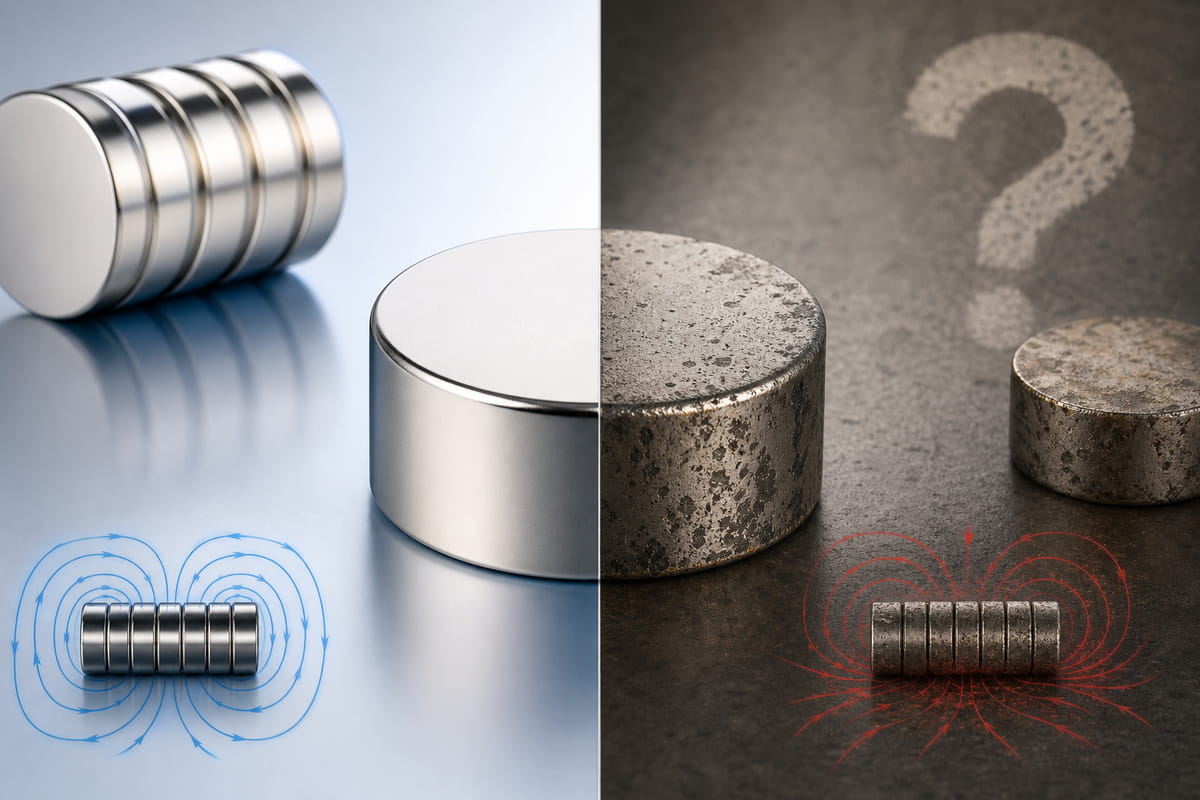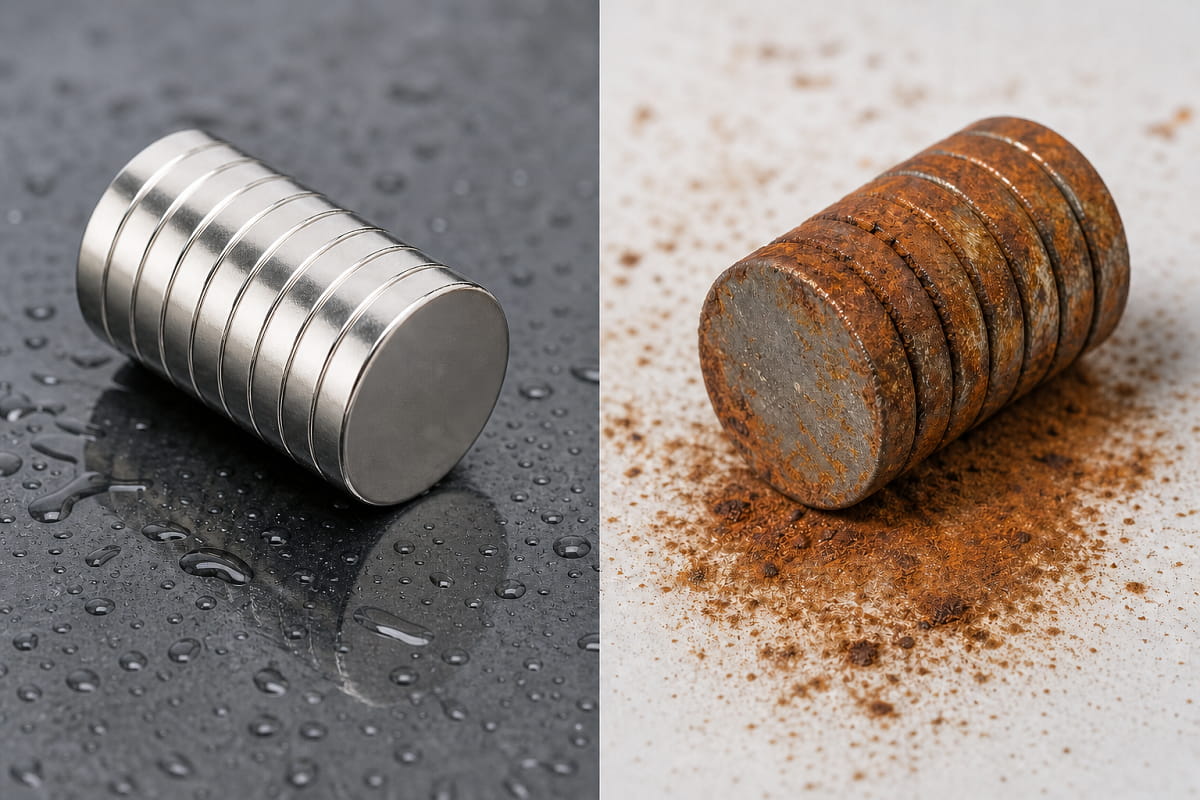
Sintesi rapida
- I magneti al neodimio si respingono con forza quando i poli uguali (nord-nord o sud-sud) sono rivolti l'uno verso l'altro, ma la forza repulsiva è instabile e può essere 5‑10% più debole di quella di attrazione.
- Se si utilizza un elettromagnete con un nucleo di ferro, il magnete al neodimio potrebbe comunque essere attratto dal ferro: tale attrazione può prevalere sulla repulsione.
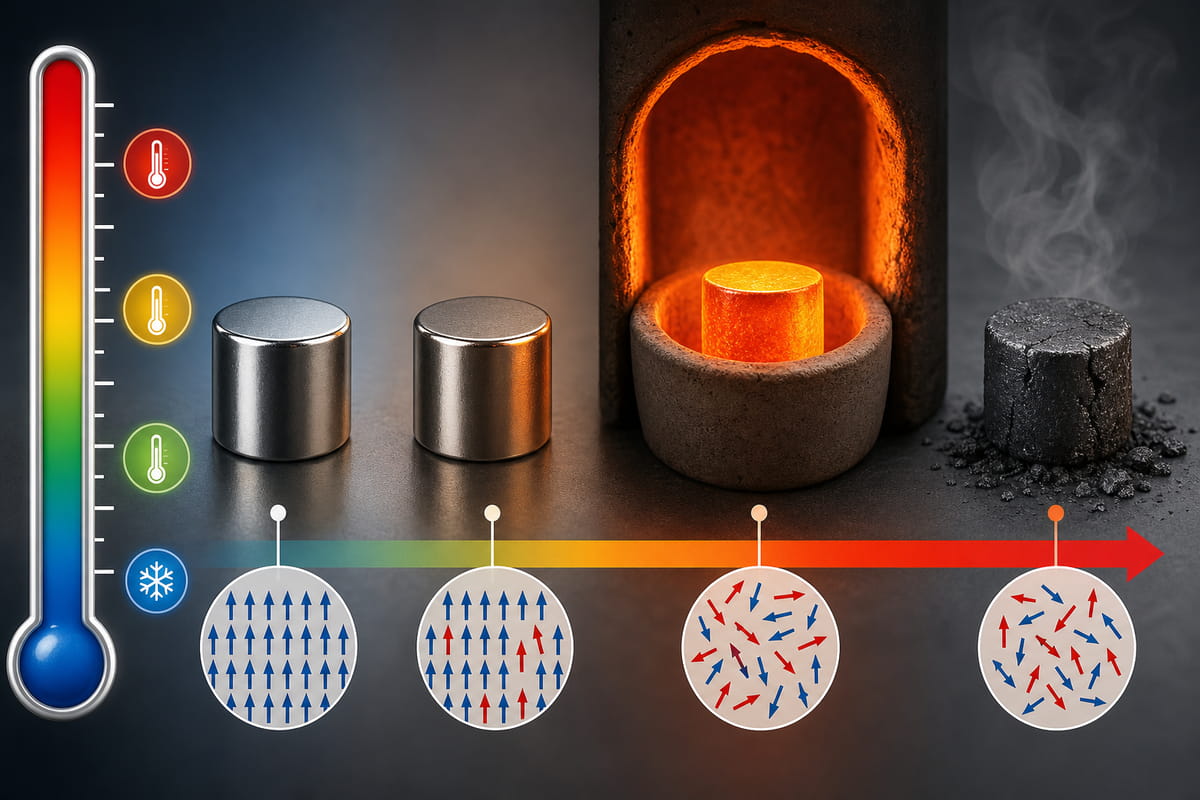
- Il calore (superiore a 176°F / 80°C) e gli urti fisici compromettono in modo irreversibile la capacità di repulsione, mentre l’accatastamento dei magneti comporta un rendimento decrescente.
Quando hai appena comprato un set di magneti al neodimio argentati e luccicanti. Hai sentito dire che sono incredibilmente potenti.
Ne prendi due. Provi a unirli.
E… succede qualcosa di strano. Non vogliono farsi toccare. È come se ci fosse un elastico invisibile che li respinge. Più li stringi forte, più oppongono resistenza.
Allora, i magneti al neodimio si respingono?
Assolutamente sì. Lo fanno meglio di quasi qualsiasi altra calamita al mondo.
Infatti, poiché sono i magneti permanenti più potenti disponibili in commercio, I magneti al neodimio si respingono con una forza tale da far galleggiare un treno o da schiacciarti un dito se non stai attento.
In questo articolo, in qualità di professionista produttore di magneti al neodimio, lasciatemi spiegare nel dettaglio come funziona esattamente, perché sembra quasi una magia e l’errore #1 che le persone commettono quando cercano di farli respingere.
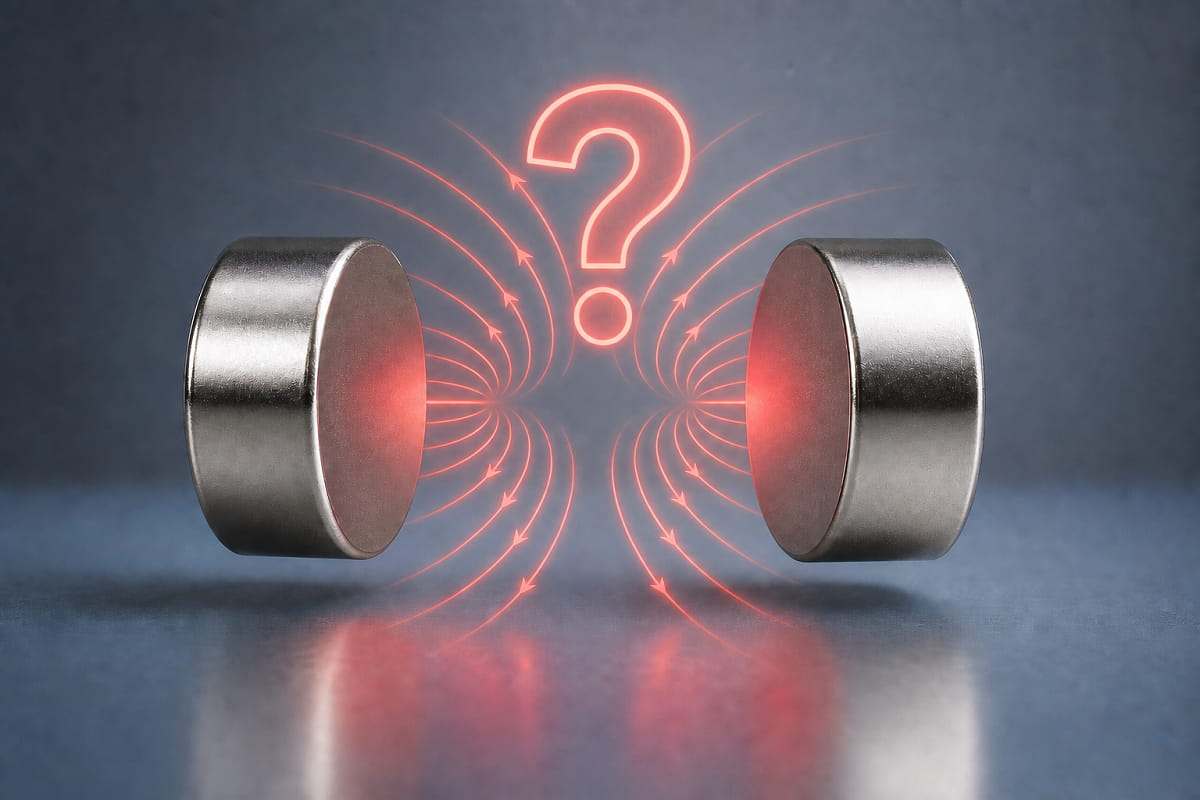
La risposta breve: come i polacchi
I magneti al neodimio funzionano esattamente come i magneti con cui giocavi durante le lezioni di scienze.
Ogni magnete ha due estremità:
- Nord (N)
- Sud (S)
Ecco la regola d'oro: Gli opposti si attraggono. I simili si respingono.
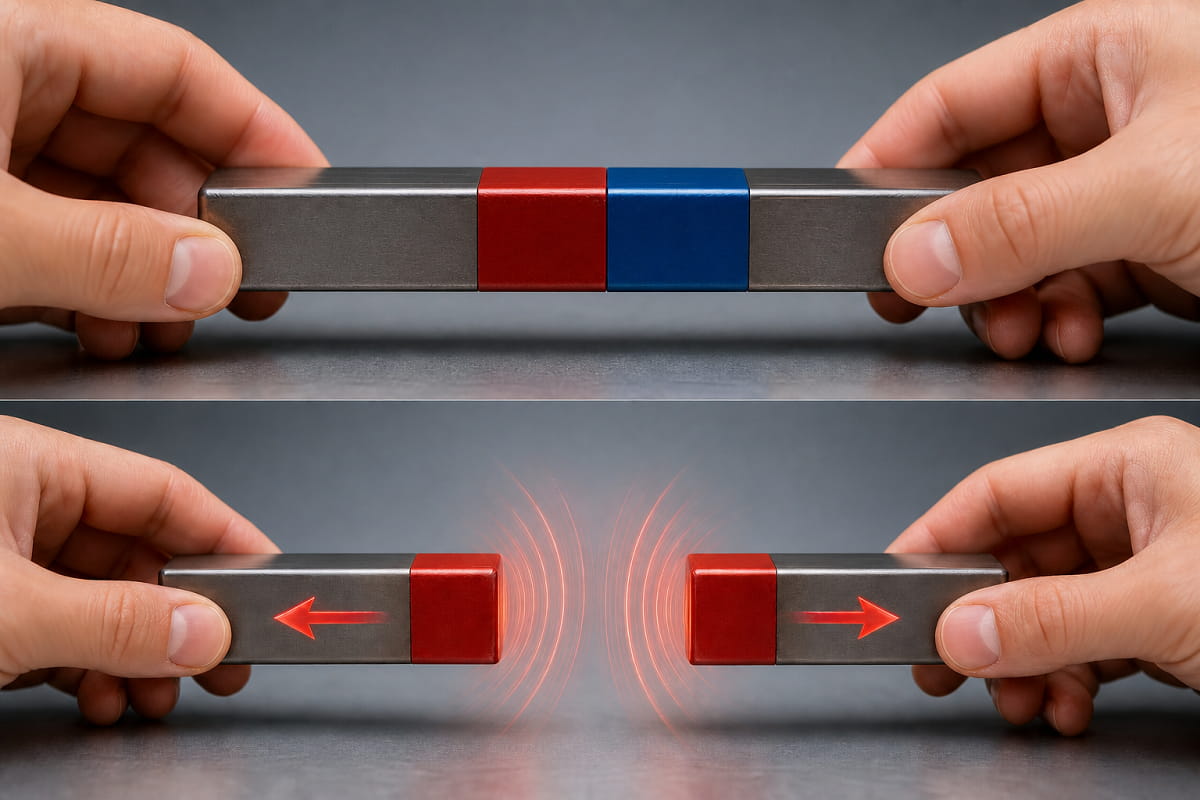
Quindi, se si prendono due magneti al neodimio e si cerca di unirli Da nord a sud, si incastreranno con un violento “THWACK”.”
Ma. Se provi a collegarti Da nord a nord (o da sud a sud), si allontaneranno l'uno dall'altro.
I magneti al neodimio si respingono? Sì. Ma solo se i due poli sono rivolti l'uno verso l'altro.
Perché si allontanano?
Non vi annoierò con una lezione di fisica troppo complessa. Lasciate che vi spieghi cosa sta succedendo in realtà.
Sai che due persone non possono sedersi sulla stessa sedia esattamente nello stesso momento? È la stessa cosa.
1. Il campo di forza invisibile
Ogni magnete al neodimio è circondato da un campo magnetico invisibile. Immaginatelo come una bolla di forza.
2. The Clash
Quando si cerca di avvicinare due poli nord, le loro “bolle di forza” entrano in collisione. Non possono occupare lo stesso spazio. Quindi, si respingono a vicenda.
3. L'effetto primavera
Quando li avvicini con forza nonostante la repulsione, accumuli energia potenziale. È come comprimere una molla. Nel momento in cui li lasci andare, BOOM, si disperdono.
> Consiglio da esperto: Questo effetto “molla” è talmente forte nei grandi magneti al neodimio che questi sono in grado di sostenere il peso di un corpo umano. È possibile, letteralmente, far fluttuare una pesante lastra di metallo a mezz’aria sfruttando questa repulsione.
Il problema del “nucleo di ferro” (perché il tuo esperimento è fallito)
Lo vedo succedere continuamente. Fa impazzire la gente.
Si acquista un elettromagnete. Si capovolge il magnete al neodimio. Ci si aspetta che si respingano. E invece si uniscono comunque.
Ti chiedi: “I magneti al neodimio respingono gli elettromagneti? Perché non funziona?”
Lasciatemi spiegare la trappola nascosta.
La maggior parte degli elettromagneti ha un nucleo in ferro al centro. Il ferro è un ferromagnetico materiale. Ciò significa che un magnete al neodimio è naturalmente attratto dal ferro, indipendentemente dalla polarità.
Pensala in questo modo:
- Stai cercando di avvicinare due poli nord (repulsione).
- Ma il nucleo di ferro sta gridando “VIENI QUI!” (Attrazione).
Se il tuo elettromagnete non è abbastanza potente, l'attrazione verso il ferro sarà sopraffare la repulsione magnetica.
Come risolvere il problema:
- 1. Procurati un alimentatore più potente: Quelle piccole batterie da 12 V? Di solito non bastano per una repulsione potente. Servono ampere, non solo volt. Procurati un alimentatore CC adeguato.
- 2. Metti via il ferro da stiro: Costruisci un elettromagnete “a nucleo d’aria”. Basta una bobina di filo di rame senza metallo all’interno. Senza il ferro, il magnete al neodimio non ha nulla a cui aggrapparsi se non il campo magnetico. È così che si ottiene una vera repulsione.
Applicazioni pratiche della repulsione
Forse ti starai chiedendo: “Brian, è una cosa interessante, ma perché dovrebbe interessarmi?”
Perché la repulsione è l'ingrediente segreto alla base di alcune delle tecnologie più straordinarie del mondo.
1. Treni a levitazione magnetica

Probabilmente avrete visto dei video di treni che fluttuano. Questi treni utilizzano enormi elettromagneti e array di neodimio per respingere Il treno è deragliato. Attrito pari a zero. Velocità pazzesca.
2. Cuscinetti magnetici
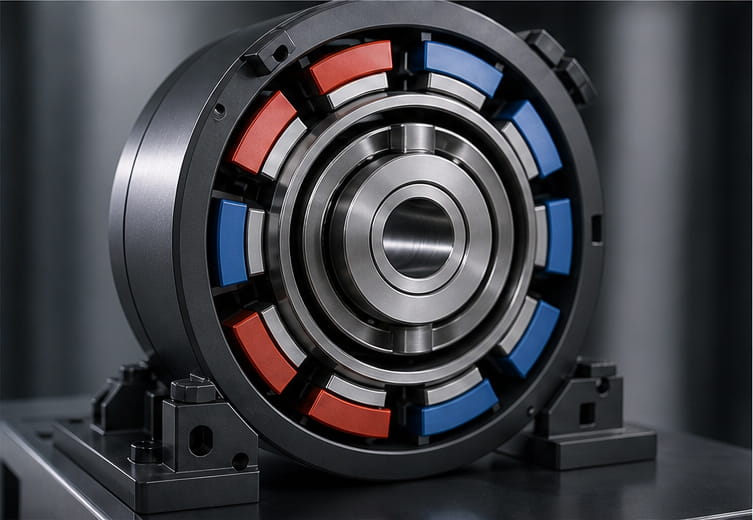
Nei macchinari di fascia alta (come i compressori turbo o i dischi rigidi), si utilizzano magneti repellenti per sospendere un albero rotante. L’assenza di contatto significa assenza di usura. Dura per sempre.
3. Ante del frigorifero (versione silenziosa)

Avete mai notato come alcune ante di mobili di alta gamma si chiudano dolcemente? Utilizzano la forza di repulsione per “ammortizzare” la chiusura, in modo che non sbattano.
La repulsione dura per sempre?
Ecco una domanda che mi viene posta ogni settimana:
“Se tengo due magneti a contatto per molto tempo, perderanno la loro forza?”
In conclusione? No.
Il fatto che due magneti si respingano non “consuma” la loro energia. Non stai scaricando una batteria.
Ricordi quell’analogia sulla molla? Quando le spingi l’una contro l’altra, tu Sono loro a fare il lavoro. Tu ti stai stancando. Il magnete se ne sta lì, a sfoggiare i suoi muscoli invisibili.
I magneti al neodimio si respingono per sempre? Il giorno 1.000 respingeranno con la stessa forza con cui hanno respinto il giorno 1… a condizione che non li rovini.
3 modi per eliminare la repulsione (da evitare)
Sebbene i magneti al neodimio siano resistenti, è possibile comprometterne la capacità di repulsione. Se i tuoi magneti smettono improvvisamente di respingersi, ecco perché:
1. Calore (Il killer #1)

Se si riscalda un magnete al neodimio oltre i 176°F (80°C), se ne altera l'orientamento dei domini interni. Una volta superata tale soglia (la Temperatura di Curie), diventa una semplice roccia. Nessuna repulsione. Nessuna attrazione.
2. Shock fisico

Far cadere un magnete al neodimio su un pavimento di cemento non provoca solo la scheggiatura del rivestimento in nichel. L’impatto può causare un disallineamento dei domini magnetici, riducendo in modo significativo la forza repulsiva.
3. Campi opposti intensi
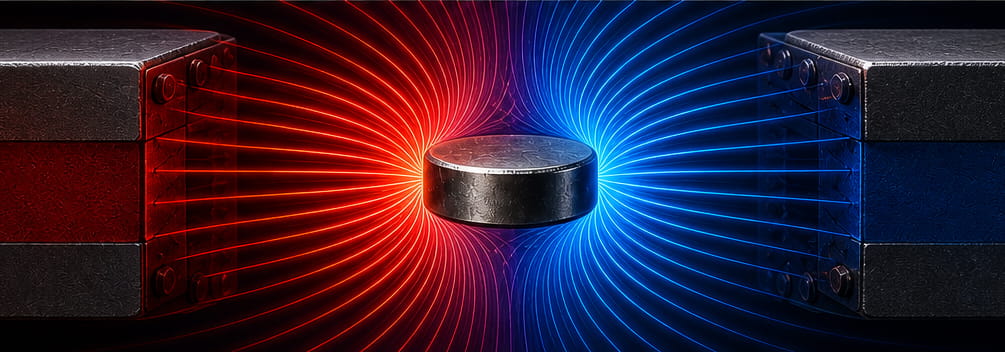
Se si espone un magnete al neodimio a un enormemente Se un potente elettromagnete è orientato nella direzione sbagliata, è possibile “invertire” i suoi poli. Questo processo si chiama smagnetizzazione.
I miei test personali: attrazione contro repulsione
Volevo fare un po’ il secchione per un attimo.
La maggior parte delle persone pensa che la forza di repulsione sia esattamente uguale alla forza di attrazione. Sembra logico, vero?
Ma ecco il colpo di scena.
Ho eseguito alcune simulazioni di analisi agli elementi finiti (modelli informatici sofisticati) e ho condotto alcuni test sul campo su un banco di prova.
I risultati mi hanno sorpreso.
I magneti al neodimio si respingono con la stessa forza con cui si attraggono? Non proprio.
- Attrazione è solitamente più forte e più stabile.
- Repulsione è spesso più debole di 5-10% alla stessa distanza.
Perché? Perché la repulsione è instabile. Quando due magneti si attraggono, tendono ad allinearsi perfettamente. Quando invece si respingono, cercano di scivolare lateralmente. Questo “scivolamento” riduce la forza di spinta diretta.
> Conclusione pratica: Se state progettando un meccanismo a molla (come ho fatto io una volta per un prodotto), non date per scontato che la forza di repulsione sia uguale a quella di attrazione. Per sicurezza, sovradimensionatelo di 20%.
Magneti impilabili: più ce ne sono, maggiore è la forza?
Supponiamo che tu abbia bisogno di una spinta più forte.
Hai un magnete. Metti un secondo magnete proprio dietro di esso.
I magneti al neodimio impilati si respingono con maggiore forza?
Sì… ma con rendimenti decrescenti.
Se si uniscono due magneti, questi si comportano come un unico magnete leggermente più spesso.
- Un magnete: Respinge con Force X.
- Due magneti (sovrapposti): Respinge con una forza pari a circa X * 1,5. (Non il doppio).
La densità del campo magnetico ha un limite. A un certo punto, aggiungere un terzo o un quarto magnete non incide quasi per nulla sulla repulsione superficiale. Si ottengono risultati migliori acquistando un magnete di diametro maggiore piuttosto che impilare quelli più piccoli.
Come maneggiare in sicurezza i magneti repellenti
A questo punto devo darvi un avvertimento di sicurezza.
Ho visto questi oggetti volare attraverso una stanza e andare in frantumi.
Poiché I magneti al neodimio si respingono? sono talmente violenti da rappresentare un rischio di pizzicamento.
Regola #1: Non lasciare mai che due grandi magneti che si respingono si uniscano a distanza. Si capovolgeranno a mezz'aria e si scontreranno con la forza di un martello.
Regola #2: Usa un distanziatore. Se devi incollarli in un progetto (come quell’interruttore di cui abbiamo parlato), usa un pezzetto di plastica o di legno per tenerli separati finché la colla non si asciuga.
Domande frequenti
D: I magneti al neodimio possono respingersi attraverso i materiali?
A: Sì, ma la forza diminuisce rapidamente. Un sottile pezzo di plastica o di legno non basta a fermare la repulsione. Il metallo? Quella è tutta un’altra storia: il metallo può schermare o deviare i campi magnetici.
D: Quanto devono essere vicini i magneti affinché si verifichi una forte repulsione?
A: Entro pochi millimetri per ottenere la massima forza. A distanze superiori a un pollice, la forza repulsiva diminuisce in modo significativo.
D: Due magneti che si respingono finiranno per toccarsi?
A: No, se si mantengono i poli dello stesso segno uno di fronte all’altro. La forza repulsiva aumenta in modo esponenziale man mano che si avvicinano. Non possono fisicamente toccarsi a meno che non si superi quella forza con qualcosa di più forte.
D: I magneti al neodimio più grandi esercitano sempre una forza di repulsione maggiore?
A: Di solito sì. Ma la forma è importante. Un disco sottile potrebbe respingere meno di un blocco più spesso dello stesso diametro.
Considerazioni finali
Allora, chiudiamo qui.
I magneti al neodimio si respingono? Assolutamente sì.
Seguono le stesse leggi fisiche di qualsiasi altro magnete: i poli uguali si respingono, quelli opposti si attraggono. Tuttavia, data la loro estrema potenza, i magneti al neodimio generano una forza repulsiva che sembra quasi soprannaturale.
Che tu stia cercando di costruire un espositore galleggiante, un cuscinetto senza attrito o semplicemente di soddisfare la tua curiosità, la repulsione è uno strumento potente.
Ricorda solo questo:
- 1. Attenzione ai nuclei di ferro (compromettono la repulsione).
- 2. Tienili al fresco.
- 3. Non lasciarli volare via dalle dita.
Ora prendi due magneti, capovolgi uno dei due e prova tu stesso a percepire quella parete invisibile. Non stanca mai.